
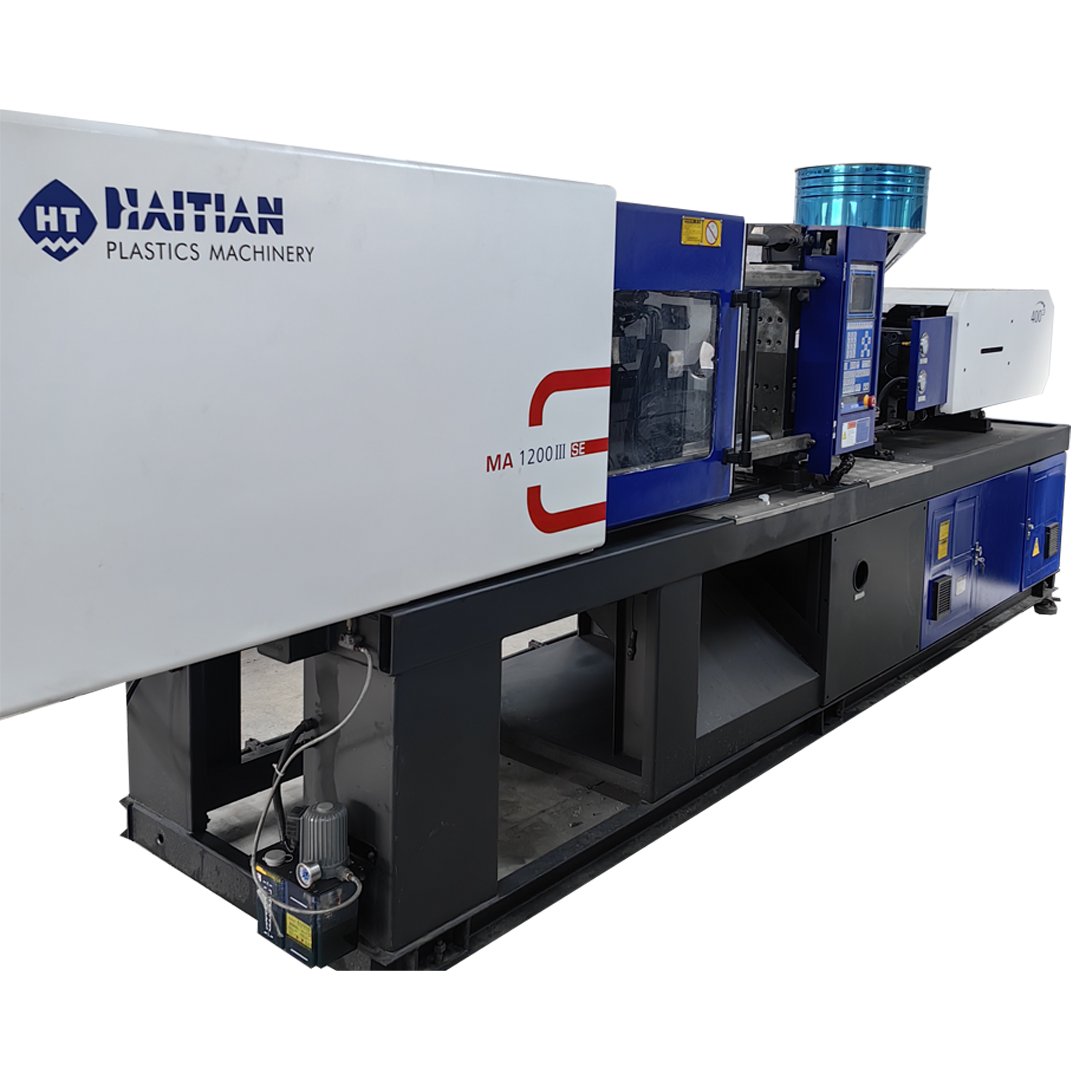
Buying a used PET injection molding machine with servo technology requires more than checking its appearance, cycle speed, or basic operating condition. The hydraulic servo system directly affects energy efficiency, cycle consistency, injection pressure, and long-term production reliability.
For pre-owned PET equipment, the servo pump deserves particular attention. It represents a significant part of the machine’s residual value while also carrying the risk of hidden mechanical wear.
A machine may operate quietly during a zero-load demonstration yet develop pressure leakage, excessive oil temperature, or pressure build-up problems under continuous preform production.
So, how can procurement managers and factory engineers distinguish normal servo pump wear from an approaching hydraulic failure?
The most reliable approach is dynamic on-site testing. By measuring pressure response, pressure stability, oil temperature, servo motor behavior, and hydraulic condition under operating loads, buyers can identify potential pump problems before signing a purchase agreement.
Why Servo Pump Condition Matters in Used PET Injection Molding Machines
The hydraulic servo system is responsible for converting motor power into controlled hydraulic pressure and flow. Its condition therefore influences several production-critical factors.
A worn pump can cause:
- Slow pressure build-up
- Unstable injection or clamping pressure
- Higher hydraulic oil temperatures
- Excessive internal leakage
- Increased servo motor RPM
- Longer and inconsistent machine cycles
- Unexpected hydraulic alarms
- Higher maintenance and replacement costs
The risk becomes greater when the machine is purchased for continuous PET preform production.
A pump that passes a short unloaded demonstration may still have internal wear that only becomes visible after the hydraulic system reaches working pressure and operating temperature.
For this reason, buyers should evaluate dynamic hydraulic performance rather than relying on sound, appearance, or a short dry-cycle demonstration.
What Indicates Normal Servo Pump Wear?
Used injection molding machines naturally show some wear. The key question is whether that wear remains within an acceptable operating range.
Several measurable indicators can help establish the difference.
Pressure Buildup Response Time
A healthy servo hydraulic system should build pressure quickly and smoothly.
For the used PET equipment described in this inspection framework, the system should typically increase from minimum pressure to approximately 140–175 bar within 30–50 milliseconds.
A machine showing slightly slower performance may still be serviceable:
- Normal wear: approximately 50–70 ms, with a smooth and linear pressure ramp.
- Potential failure: more than 100 ms, especially when pressure shows noticeable lag or hesitation.
A slow response can indicate internal plate scoring, worn swashplates, or excessive internal bypass leakage.
Response time should therefore be evaluated together with the pressure curve rather than treated as an isolated number.
Steady-State Pressure Stability
After reaching the target pressure, the system should maintain that pressure without excessive correction.
A practical inspection method is to maintain constant holding pressure for approximately 30 seconds while monitoring the machine’s digital pressure transducer.
A healthy used servo system may show:
- Approximately ±1 to ±2 bar pressure fluctuation
- Up to approximately 1.5% steady-state error
- Low and stable servo motor RPM
Minor compensation is normal because used hydraulic components can develop some internal clearance over time.
Continuous pressure decline or large oscillations are more concerning. Fluctuations of approximately ±5 to ±10 bar can indicate significant internal leakage or worn valve and piston sealing components.
Hydraulic Oil Temperature
Temperature provides another useful indication of hydraulic efficiency.
During continuous operation, hydraulic oil in a normally functioning system should generally stabilize around 40°C–50°C under the stated inspection conditions.
If the temperature rises rapidly beyond 60°C within 20–30 minutes, buyers should investigate the cause.
Excessive internal leakage forces hydraulic energy to convert into heat. Persistent high temperatures can therefore indicate pump inefficiency, internal friction, or excessive hydraulic bypass.
Temperature should always be evaluated alongside operating load and cooling conditions.
Used Servo Pump Inspection: Normal Wear vs. Failure Risk
The following matrix provides a practical reference for on-site evaluation.
| Diagnostic Parameter | Acceptable Normal Wear | Potential Imminent Failure | Possible Mechanical Cause |
|---|---|---|---|
| Pressure Buildup | 30–70 ms with smooth pressure ramp | >100 ms with pressure lag or hesitation | Worn swashplate, internal scoring, excessive bypass leakage |
| Full-Load Pressure Holding | Reaches rated pressure and remains stable | Cannot reach rated pressure or fluctuates continuously | Internal hydraulic leakage |
| Steady-State Pressure | Approximately ±1–2 bar fluctuation | Approximately ±5–10 bar fluctuation or continuous pressure decline | Worn valves, pistons, or seals |
| Hydraulic Oil Temperature | Stabilizes around 40°C–50°C | Rises above 60°C within 20–30 minutes | Excessive leakage or internal friction |
| Servo Motor Holding RPM | Approximately 50–150 RPM | Approximately 400+ RPM during pressure holding | Excessive pump slippage |
| Pressure Overshoot | <5% and settles quickly | >10–15% with sustained oscillation | Slow displacement response or sticking control valves |
| Acoustic Condition | Smooth and consistent operating sound | Cavitation whine, grinding, or knocking | Cavitation, air ingestion, or bearing wear |
The table should be used as an inspection guide rather than as a standalone acceptance standard. Actual values can vary with machine design, pump model, hydraulic circuit, oil condition, and operating parameters.
How to Test a Used PET Injection Molding Machine on Site
A structured inspection gives buyers more useful information than a simple machine demonstration.
Step 1: Perform a Cold-Start Pressure Ramp Test
Start the machine from a cold condition and initiate a high-pressure clamping or injection movement.
Use the HMI or available pressure graph to record the time required to reach the target system pressure.
Pay attention to both the response time and the shape of the pressure curve.
A smooth and rapid pressure increase indicates better hydraulic response. Delayed pressure buildup, hesitation, or an irregular ramp requires further investigation.
Step 2: Run a 30-Minute Thermal Stress Test
Run continuous machine cycles for approximately 30 minutes.
Monitor the hydraulic oil temperature throughout the test instead of recording only the final temperature.
A rapid temperature increase can indicate that the pump is losing hydraulic efficiency through internal leakage or excessive friction.
The inspection should also account for the machine’s cooling conditions. Temperature alone cannot prove pump failure without considering operating load and cooling performance.
Step 3: Check the Servo Drive Diagnostic History
Inspect the servo drive diagnostic screen and electrical cabinet for stored fault information.
Look for historical indications such as:
- Over-current faults
- Motor overload
- Pressure tracking errors
- Servo control abnormalities
- Repeated hydraulic-related alarms
Fault history can provide useful evidence of problems that may not appear during a short demonstration.
Step 4: Inspect the Hydraulic Oil
Take a hydraulic oil sample from an appropriate sampling point, such as the tank or pump inlet filtration area.
Look for visible signs of contamination or component wear.
Potential warning signs include:
- Cloudy hydraulic oil
- Dark or abnormal discoloration
- Fine metallic particles
- Excessive contamination around filtration components
Metal particles can indicate internal component wear and should trigger further hydraulic inspection.
For high-value machinery purchases, laboratory oil analysis can provide additional evidence beyond visual inspection.
How to Interpret the Inspection Results
No single measurement should determine whether a used PET injection molding machine is worth purchasing.
Instead, buyers should look for correlated symptoms.
For example:
Slow pressure response + high oil temperature + high holding RPM
is more concerning than a slightly slower pressure response alone.
Similarly:
Pressure fluctuation + continuous RPM correction + metallic contamination
can provide stronger evidence of internal hydraulic wear.
A useful diagnostic path is:
Pressure Response → Pressure Stability → Temperature → Servo RPM → Fault History → Oil Condition
This approach helps procurement teams determine whether the observed wear is manageable or likely to result in near-term maintenance costs.
When Is Servo Pump Wear Still Acceptable?
A used servo pump does not need to perform like a new pump to remain commercially valuable.
Some wear is expected in pre-owned injection molding equipment.
The important consideration is whether the pump can still:
- Reach the required operating pressure
- Maintain pressure consistently
- Respond quickly to control commands
- Operate within a reasonable temperature range
- Maintain stable servo motor speed
- Complete continuous production cycles without abnormal alarms
If several parameters remain stable and the machine demonstrates consistent operation under realistic load conditions, normal wear may be acceptable.
However, multiple abnormal indicators should be treated as a potential negotiation point or reason for further mechanical inspection before purchase.
What Buyers Should Ask a Used Injection Molding Machine Supplier
Before purchasing pre-owned PET equipment, procurement teams should request objective evidence rather than relying only on statements about machine condition.
Ask the supplier for:
- Pressure testing results under realistic operating conditions.
- Servo drive diagnostic information and fault history.
- Hydraulic oil temperature data from continuous operation.
- Machine inspection videos showing pressure and cycle behavior.
- Hydraulic oil or filter inspection results where available.
- Maintenance and refurbishment records for major hydraulic components.
- Machine specifications and rated pressure information for comparison with test results.
This documentation allows buyers to evaluate residual machine value based on operating evidence rather than cosmetic condition.
Why Buy Tested Used PET Injection Molding Machines From Manyi?
Manyi specializes in sourcing, inspecting, refurbishing, and supplying used injection molding machines for global manufacturers.
For PET preform producers, packaging companies, and industrial molders, machine selection should focus on both mechanical condition and production reliability.
Multi-Point Hydraulic Inspection
Manyi evaluates used servo injection molding machines through multiple inspection procedures.
These can include:
- Pressure stability testing
- Servo drive diagnostics
- Thermal stress evaluation
- Hydraulic system inspection
- Operating cycle verification
The objective is to identify potential hydraulic problems before shipment rather than leaving buyers to discover them after installation.
Broad Used Injection Molding Machine Portfolio
Manyi supplies pre-owned PET and general-purpose injection molding machines from established manufacturers, including:
- Engel
- KraussMaffei
- Husky
- Haitian
- Yizumi
Machine condition, specifications, and availability vary by individual unit. Each machine should therefore be evaluated according to its actual inspection data and production requirements.
Complete Export and Delivery Support
Buying used injection molding equipment internationally involves more than machine selection.
Manyi provides support covering:
Machine inspection → Video testing → Technical documentation → Dismantling → Container loading → International shipping
This helps overseas buyers manage the machinery purchasing process from technical evaluation through delivery.
Conclusion: Inspect Hydraulic Performance Before Buying Used PET Equipment
A used PET injection molding machine should never be judged only by its appearance or unloaded operating speed.
The hydraulic servo pump requires particular attention because hidden internal wear can become more serious when the machine operates continuously under production pressure.
By checking pressure buildup response, steady-state pressure, oil temperature, servo motor holding RPM, pressure overshoot, fault history, and hydraulic oil condition, buyers can build a much clearer picture of pump health.
The most important principle is to evaluate these indicators together.
A machine showing stable pressure, controlled temperature, reasonable servo compensation, and consistent production behavior may have acceptable wear. Multiple abnormal indicators, however, can signal a higher risk of hydraulic failure and future maintenance costs.
If you are sourcing a used PET injection molding machine, contact Manyi’s machinery engineering specialists to request available machines, inspection videos, technical reports, and quotations.



Add comment