
In the high-stakes world of plastic manufacturing, the difference between a profitable contract and a deficit often lies in the “invisible” overhead: energy consumption. For the modern injection molding workshop, electricity is more than just a utility; it is a pulse that dictates the financial health of the entire operation. As global energy prices fluctuate and carbon neutrality becomes a regulatory standard, manufacturers are urgently seeking ways to reduce their “ton-per-kilowatt” ratio.
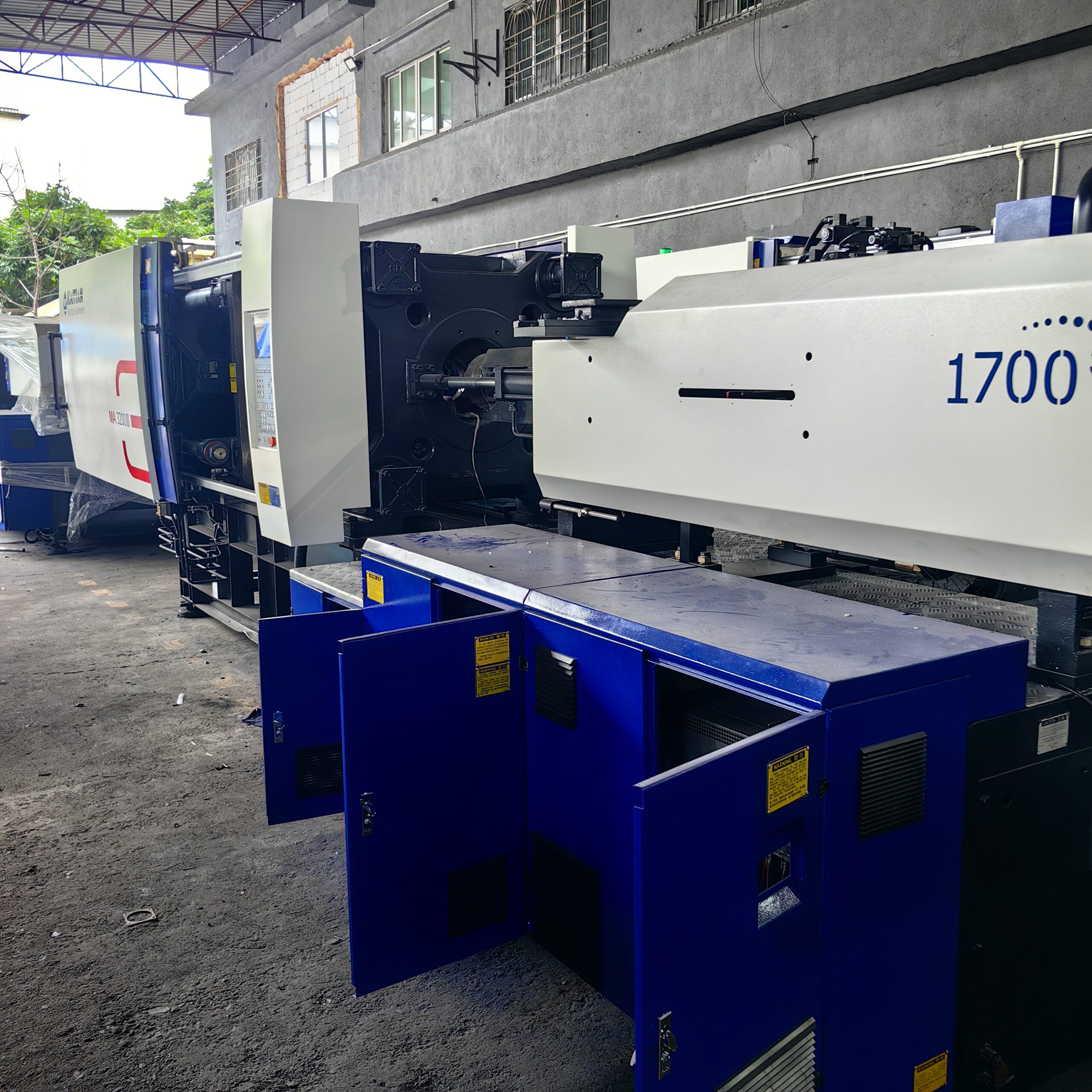
At the forefront of this green revolution is the Haitian servo-drive system. By reimagining how power is delivered during the molding cycle, Haitian has transformed the injection molding machine (IMM) from a power-hungry giant into a precision-tuned, energy-efficient asset. For those sourcing high-quality pre-owned machinery from Manyi, understanding this technology is the key to unlocking 30% to 70% in operational savings.
1. The Traditional Drain: Why Conventional Hydraulic Systems Waste Energy
To appreciate the brilliance of the Haitian servo system, one must first understand the inefficiency of traditional hydraulic technology. In a conventional “Constant Delivery Pump” system, the motor runs at a constant speed regardless of the actual process requirements.
The “Always-On” Inefficiency
During an injection molding cycle, the machine goes through distinct phases: clamping, injection, holding pressure, cooling, and mold opening. A traditional motor continues to pump hydraulic oil at full capacity even during the cooling phase, which can account for 60% of the total cycle time. This excess oil is simply bypassed back to the tank through relief valves, converting expensive electricity into wasted heat.
The Thermal Burden
This wasted energy creates a secondary cost. The excess heat generated in the hydraulic oil requires massive cooling towers and chillers to manage. Consequently, the factory pays twice: once to generate the heat and once to remove it.
2. The Servo Revolution: “Power on Demand” Logic
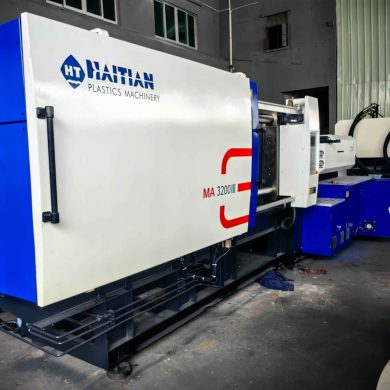
The Haitian servo-drive system, famously embodied in the Haitian Mars Series, operates on a fundamentally different logic. Instead of a constant flow, it utilizes a closed-loop control system that monitors the “pulse” of the machine in real-time.
Precision Output Matching
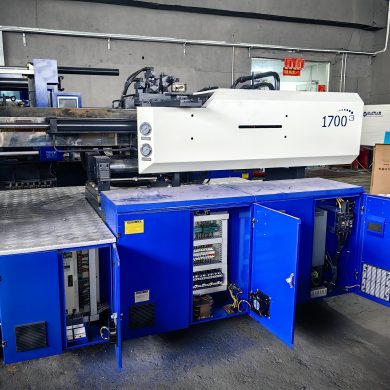
Haitian’s high-performance servo motors communicate directly with the machine’s internal pressure sensors and encoders. When the machine requires high injection pressure, the servo motor accelerates instantly to provide the exact torque needed. Conversely, during the cooling or idling phases, the motor slows down or stops entirely.
Achieving the 60% Benchmark
By providing power only “on demand,” Haitian machines eliminate the bypass waste found in traditional systems. In practical production environments—especially for parts with long cooling times—this precision matching results in an energy reduction of up to 60% or more. This is not just a theoretical concept; it is a measurable drop in the “electricity cost per gram” of plastic produced.
3. Deep Dive into Haitian’s Core Energy-Saving Technologies
Haitian has refined its drive systems to ensure that energy efficiency does not compromise performance. This balance makes pre-owned Haitian machines from Manyi a highly sought-after commodity in the secondary market.
High-Response Servo Motors
Haitian utilizes permanent magnet synchronous motors that offer incredible acceleration and deceleration. These motors can reach maximum output in as little as 0.05 seconds. This rapid response ensures that the “energy-saving” stop-start cycle does not add a single millisecond to the overall cycle time.
Optimized Internal Hydraulics
The servo system works in tandem with high-efficiency internal gear pumps. These pumps are designed to operate with minimal internal leakage and high mechanical efficiency. When you combine a smart motor with a high-efficiency pump, the “drive-to-output” efficiency reaches levels that were previously impossible in the hydraulic era.
Intelligent Standby Mode
During periods of mold changes or manual intervention, the Haitian servo system enters a near-zero power state. While traditional machines continue to hum and consume idle power, a Haitian machine sits in silent readiness, consuming only the minimal energy required to keep the control computer active.
4. The Economic Impact: Transforming Concept into Profit
For a factory manager, “energy saving” is only valuable if it translates into a healthier balance sheet. Let’s look at how the Haitian system impacts the bottom line of a typical workshop.
Reducing the “Tonne-Hour” Cost
When a facility switches from traditional hydraulic machines to servo-driven Haitian units, the return on investment (ROI) is often measured in months, not years. By cutting the energy pulse by 60%, a factory can either:
-
Lower Product Pricing: Gain a competitive edge in aggressive bidding for high-volume contracts.
-
Increase Profit Margins: Retain the savings as direct profit in markets where pricing is fixed.
Lowering Cooling Requirements
Since the servo system generates significantly less heat, the demand on the factory’s central cooling system drops. This reduces the wear and tear on chillers and lowers the electricity bill for water pumps and cooling fans, creating a “compounding effect” of savings.
5. Why Pre-Owned Haitian Machines are a Strategic Choice
Many manufacturers believe that “going green” requires the massive capital expenditure of buying brand-new equipment. However, Manyi provides a more accessible pathway.
Proven Reliability
Haitian machines are built with a “heavy-duty” philosophy. The servo systems are engineered for long-term durability, meaning a well-maintained pre-owned unit from Manyi performs with the same energy-saving efficiency as it did on day one.
The Used Market “Value Gap”
By purchasing a pre-owned Haitian servo machine, you bypass the initial steep depreciation of new hardware while immediately capturing the 60% energy savings. This allows smaller and medium-sized enterprises (SMEs) to compete on the same technological level as larger corporations.
6. Proactive Production Management: The Future is Servo
The global manufacturing landscape is moving toward Proactive Production Management. In this model, every variable—especially energy—is monitored and optimized.
Data-Driven Efficiency
Modern Haitian systems provide real-time energy consumption data. This allows workshop managers to analyze which molds and materials are the most “energy-expensive” and adjust their production schedules accordingly. This level of transparency is only possible with the precision control of a servo-drive system.
Environmental Compliance
As “Carbon Footprint” becomes a standard line item in international trade audits, having a fleet of energy-efficient Haitian machines helps your factory meet ESG (Environmental, Social, and Governance) criteria, making you a more attractive partner for global brands.
7. Conclusion: Sourcing Your Competitive Edge at Manyi
In the modern injection molding industry, competitiveness is no longer just about speed; it is about efficiency. The Haitian servo-drive system has proven that it is possible to slash energy consumption by 60% without sacrificing a single bar of pressure or a second of cycle time.
At Manyi, we specialize in identifying and supplying high-quality pre-owned Haitian machines that carry this legacy of efficiency. By choosing a servo-driven unit, you are not just buying a machine; you are installing a permanent “energy filter” that guards your workshop’s profitability.


Add comment