
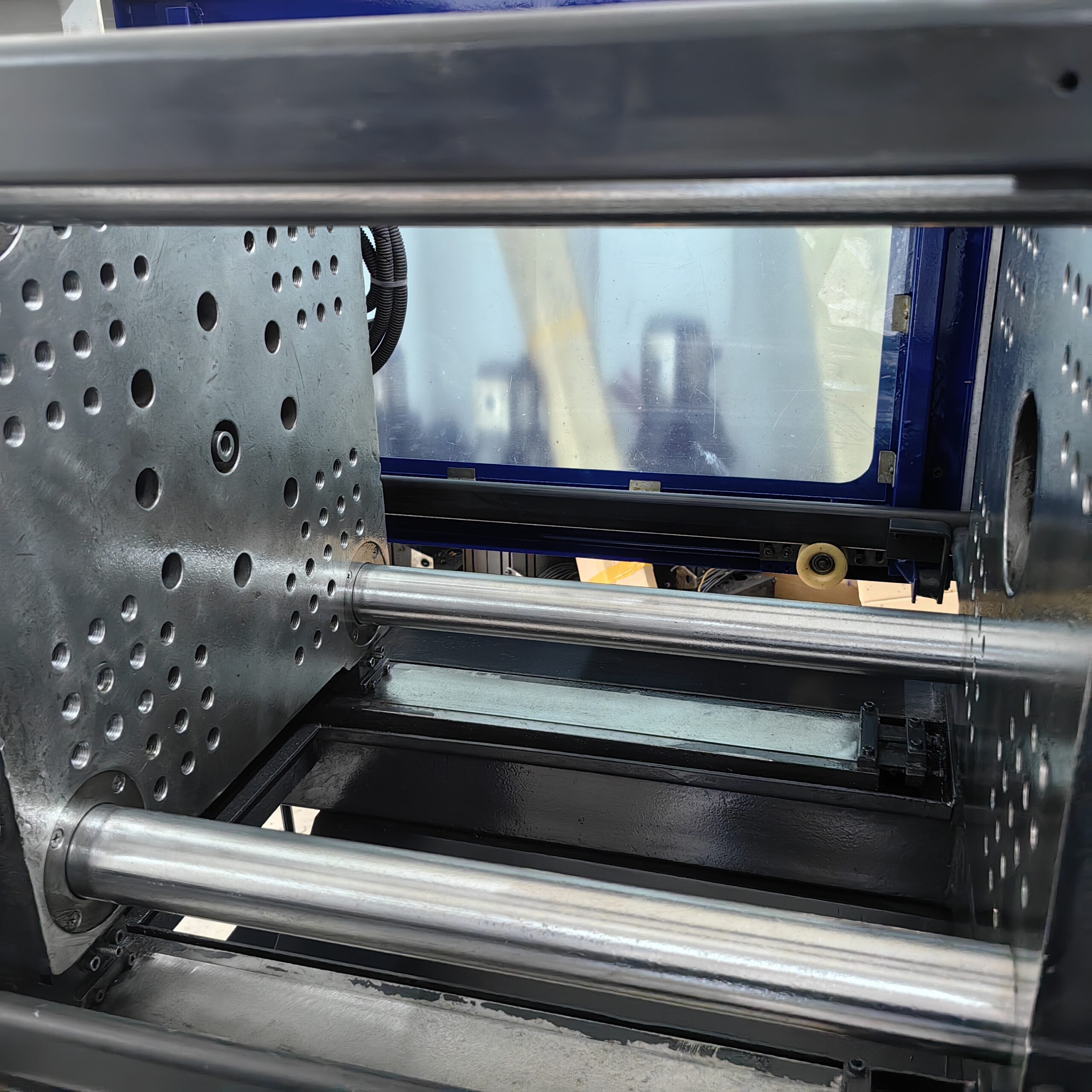
In the diverse world of polymer science, Polyethylene Terephthalate (PET) stands as a unique protagonist. Known for its incredible clarity, mechanical strength, and chemical resistance, it is the backbone of the global beverage industry and an increasingly vital player in high-precision engineering. However, PET is a “sensitive” material. As a semi-crystalline polymer, its final properties—transparency, toughness, and heat resistance—are not just inherent; they are “sculpted” during the molding process.
To transform raw PET resin into a high-quality product, whether it is a glass-clear bottle preform or a high-strength electrical connector, the hardware must master the “Golden Triangle” of Temperature, Pressure, and Time. Modern PET injection molding equipments function as a precision instruments that decode the material’s crystallization secret, ensuring that every molecular chain aligns exactly as intended. This article explores the technical mechanics behind PET processing and how specialized machinery ensures industrial excellence.
1. The “Crystallization Code”: Understanding PET’s Unique Window
Unlike amorphous plastics that soften gradually, PET is semi-crystalline. This means its molecular structure can exist in two primary states: a disordered “amorphous” state (resulting in transparency) and an ordered “crystalline” state (resulting in opacity and increased rigidity).
The Battle for Transparency
In the production of bottle preforms, the goal is total transparency. This requires the PET injection molding equipment to cool the molten plastic so rapidly that the molecules “freeze” in place before they can organize into crystals. If the cooling is too slow, the product becomes milky and brittle—a phenomenon known as “hazing.”
The Demand for Strength
Conversely, engineering parts require controlled crystallization to enhance heat resistance and stiffness. Therefore, the machine acts as a thermal conductor, guiding PET through a precise, stress-free solidification window.
2. Temperature: The First Pillar of the Golden Triangle
Temperature control in PET injection molding equipments are far more complex than simple heating. It requires a high-response, closed-loop system across the entire flow path.
Barrel and Screw Optimization
PET is highly hygroscopic (absorbs water) and sensitive to thermal degradation. If the temperature is too high, the material undergoes “Acetaldehyde (AA)” buildup—a byproduct that can affect the taste of bottled water. Specialized PET machines feature:
-
Longer L/D Ratios: Screws with a high length-to-diameter ratio ensure thorough melting at lower temperatures, reducing shear heat.
-
Precision PID Control: Multi-zone barrel heating keeps the melt temperature within a variance, preventing localized “hot spots” that could degrade the resin.
Hot Runner Management
In multi-cavity preform molds, the hot runner system must maintain absolute thermal equilibrium. If one cavity is hotter than another, the crystallization rate will differ, leading to inconsistent wall thickness and structural failure. Professional PET equipment utilizes independent temperature sensors for every nozzle to ensure a balanced melt flow.
3. Pressure: Sculpting the Molecular Density
Once the PET is molten, the “Pressure” pillar of the triangle dictates how the material fills the intricate details of the mold and how it “packs” to compensate for shrinkage.
Multi-Stage Injection Control
PET has a relatively low melt viscosity, which means it flows easily but can also lead to “flashing” (leaking out of the mold) if pressure isn’t managed.
-
High-Speed Injection: To prevent premature cooling (freezing) in thin-walled sections, the machine must inject at high speeds.
-
Pressure Transition (V/P Switch): The machine’s MCU must switch from injection pressure to holding pressure at the exact millisecond the cavity is full. This precision prevents internal stress that causes warping.
The Role of Holding Pressure
As PET cools, it shrinks significantly. PET injection molding equipments apply a sustained “Holding Pressure” to force more material into the mold as it solidifies. This step is the “sculpting” phase—it defines the dimensional stability and prevents “sink marks” on the surface of engineering parts.
4. Time: Managing the Cooling Curve
The final pillar, Time, is the most critical factor in determining the crystalline vs. amorphous ratio of the finished part.
The Rapid Quench
For transparent preforms, the “Cooling Time” must be as short and aggressive as possible.
-
High-Efficiency Cooling Channels: The molds used in PET equipment feature “conformal cooling”—internal water channels that follow the shape of the part to remove heat instantly.
-
Cycle Time Optimization: In high-volume production, saving 0.5 seconds of cooling time can result in thousands of additional units per day. However, this time cannot be reduced at the expense of part “ejection temperature.” If the part is ejected while still too warm, it will continue to crystallize in the air, turning opaque.
Controlled Solidification for Engineering Parts
For thicker engineering components, “Time” is used to allow for uniform cooling. If the exterior cools much faster than the interior, the part develops a “skin-core” tension that can lead to cracks under mechanical load. Here, the machine’s control system manages a slower, multi-stage cooling timer to ensure structural integrity.
5. Why Specialized PET Hardware is Non-Negotiable
Many attempt to use standard injection molders for PET, but the results often fall short of industrial standards. Specialized PET injection molding equipments provide several irreplaceable advantages:
-
Increased Ejection Force: PET tends to stick to mold cores; specialized machines feature reinforced ejector plates to handle high-frequency, high-force release.
-
Specialized Screw Geometry: PET screws are designed with a low compression ratio to minimize the shearing of the polymer chains, preserving the material’s Intrinsic Viscosity (IV).
-
Enhanced Hydraulics/Electric Drives: The high-torque requirements for plasticizing PET resin demand a robust power system that standard machines rarely possess.
6. Conclusion: Mastering the Mystery of the Melt
The transformation of PET from a simple pellet to a high-performance part is a journey through the “Golden Triangle.” By balancing the thermal precision of Temperature, the mechanical force of Pressure, and the temporal rigor of Time, PET injection molding equipments do more than just melt plastic—they decode the material’s secret.
Whether you are producing millions of preforms for a global brand or high-tolerance engineering components for the tech sector, success depends on the machine’s ability to control the crystallization process. In the hands of the right equipment, PET ceases to be a difficult material and becomes a versatile canvas for engineering excellence.

Add comment