
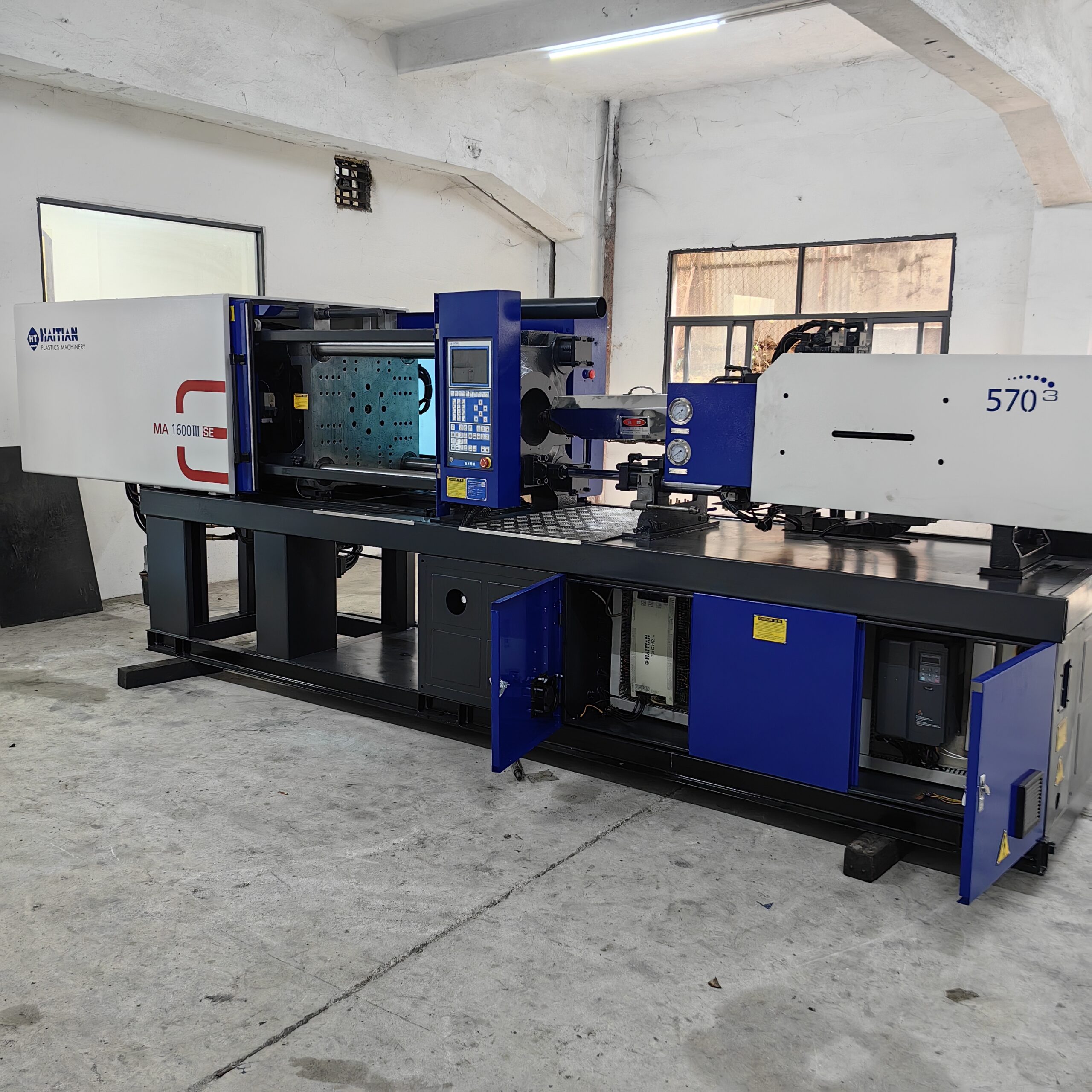
In the diverse world of polymer processing, two materials represent the extreme ends of the manufacturing spectrum: Liquid Silicone Rubber (LSR) and high-performance engineering plastics (such as PEEK, PPS, or LCP). While engineering plastics require scorching temperatures to melt and high pressure to mold, LSR is a cold-fed thermoset that solidifies when heated. Processing these disparate materials with high yields requires more than just standard equipment; it demands a vertical injection molding machine with a specialized structural design.
For manufacturers dealing with intricate inserts or overmolding tasks, the vertical architecture provides a natural gravity advantage. However, the true “magic” happens within the injection unit and the temperature control circuits. This article explores how modern vertical machines optimize runner systems and thermal management to handle the low viscosity of LSR and the high shear sensitivity of engineering plastics, ensuring zero-defect production in complex molding environments.
1. The Material Duality: Why LSR and Engineering Plastics Demand Specialization
To understand the structural requirements of a vertical injection molding machine, one must first acknowledge the conflicting natures of the materials being processed.
The LSR Challenge: Low Viscosity and Premature Vulcanization
Liquid Silicone Rubber (LSR) behaves like honey at room temperature. It flows easily under minimal pressure, making “flashing” (leakage at the mold parting line) a constant risk. Furthermore, because LSR is a thermoset, it cures when exposed to heat. This means the injection barrel must remain cold while the mold remains hot—a direct reversal of traditional plastic molding.
The Engineering Plastic Challenge: High Melting Points and Shear Sensitivity
High-performance engineering plastics require barrel temperatures that can exceed 350℃ to 400℃. These materials are often shear-sensitive; if the screw rotates too fast or the runner design is too restrictive, the polymer chains break, leading to “silver streaks” or weakened mechanical properties. Consequently, the machine must provide uniform melting and extremely precise pressure transitions.
2. Vertical Injection Systems: Structural Advantages for LSR
Vertical machines are the industry standard for LSR because they allow for gravity-assisted feeding and easier management of the liquid components.
Inverted Plunger and Specialized Screw Designs
Standard horizontal machines often struggle with the “backflow” of liquid silicone. In a specialized vertical injection molding machine for LSR, the injection unit often utilizes a plunger-style system or a screw with a highly effective non-return valve.
-
Sealing Integrity: High-precision spring-loaded check valves prevent the low-viscosity silicone from leaking back into the barrel during the high-pressure injection phase.
-
Bubble Elimination: The vertical orientation allows air bubbles to naturally rise and escape through the feeding throat, significantly reducing the “void” rate in finished silicone parts.
Water-Cooled Barrels: Keeping the “Cold” Cold
For LSR, the barrel is not a heating element but a cooling jacket. Vertical machines designed for silicone feature extensive water-cooling channels throughout the length of the barrel and the nozzle. This ensures that the two-part silicone mixture remains in a liquid state right up until it enters the heated mold cavity, preventing the catastrophic “solidification in the nozzle” that can lead to hours of downtime.
3. Engineering Plastics: Masterful Thermal Management and Flow
When shifting the focus to engineering plastics, the structural priorities of the vertical injection molding machine shift toward heat retention and shear reduction.
Multi-Zone PID Temperature Control
Engineering plastics require a very specific “Temperature Profile.” The barrel is divided into multiple heating zones (typically 3 to 5), each controlled by a Proportional-Integral-Derivative (PID) algorithm.
-
The Feeding Zone: Kept slightly cooler to prevent premature melting and “bridge-over” at the hopper.
-
The Compression Zone: The “heart” of the process, where the most heat is applied.
-
The Metering Zone: Precisely tuned to ensure the melt is homogeneous and free of unmelted pellets.
Low-Shear Screw Geometry
To protect the integrity of glass fibers or mineral fillers in engineering plastics, vertical machines use screws with a lower compression ratio. By widening the “flight” of the screw, the machine reduces the internal friction (shear) generated during the rotation. This results in a “gentle” melt that preserves the material’s intended strength and flame-retardancy ratings.
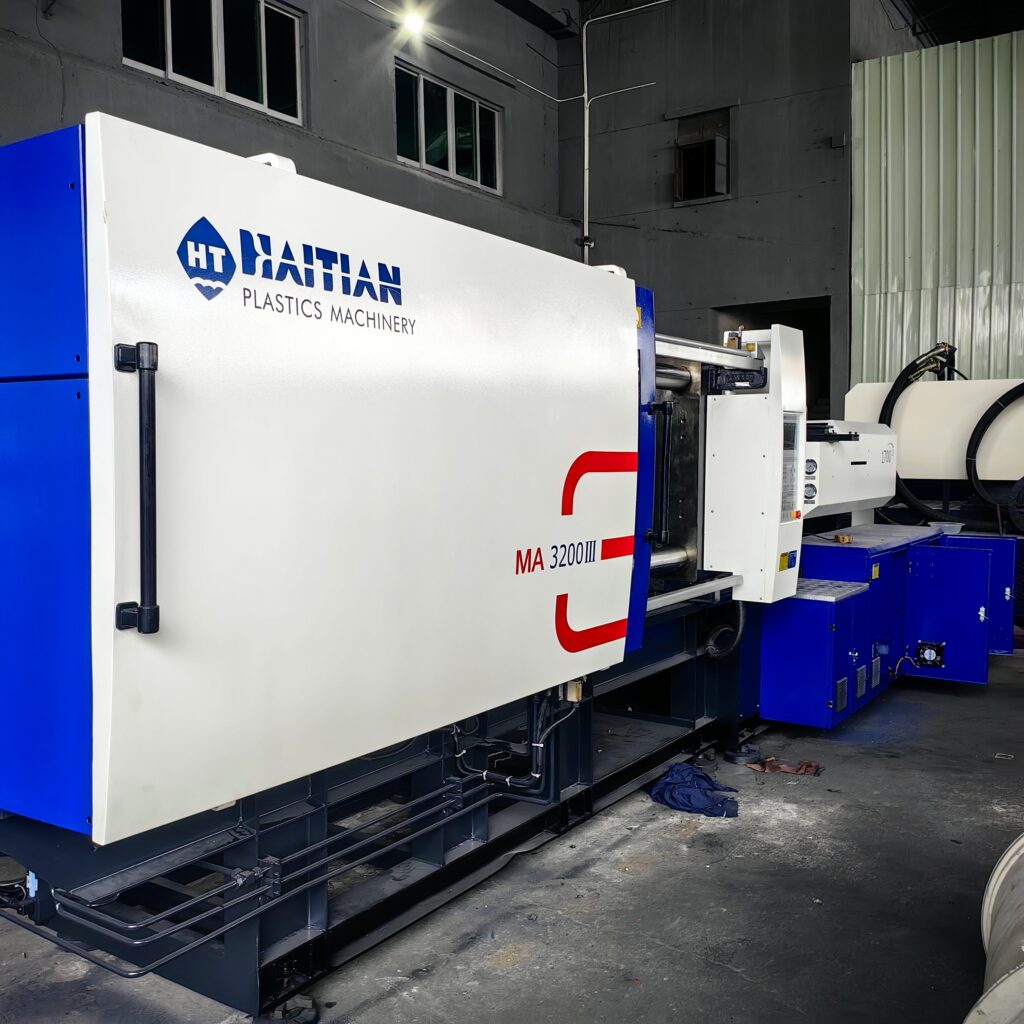
4. Optimizing the Runner System: Shortening the Path to Quality
The runner is the bridge between the barrel and the cavity. In a vertical injection molding machine, the runner design is often more compact, which provides several benefits for both LSR and plastics.
Minimized Pressure Drop
Because the injection unit is directly above the mold in a vertical setup, the flow path is shorter and more direct. For engineering plastics, this means less pressure is lost as the melt travels, allowing for the molding of thinner walls and more complex geometries.
Cold Runner Systems for LSR
In LSR molding, “Cold Runner” technology is essential for waste reduction. These specialized manifolds keep the silicone cold inside the runner so it can be reused in the next cycle, while the part in the cavity is heated and cured. The vertical machine’s open-table design provides ample space for the complex plumbing required for these chilled manifolds, making it the preferred choice for high-volume silicone production.
5. Integration of Automation: The Vertical Synergy
Beyond flow and temperature, the physical layout of a vertical injection molding machine facilitates better control through automation.
-
Rotary Tables and Shuttle Tables: These features allow operators (or robots) to load inserts on one side while the machine molds on the other. This keeps the mold temperature more stable because the “open-time” of the machine is minimized.
-
Insert Stability: Since the mold halves close vertically, gravity holds metal inserts (like electrical pins or threaded nuts) firmly in place. This prevents the “shifting” that often occurs in horizontal machines, ensuring that the melt flows evenly around the insert without creating weak spots or thermal stress.
6. Conclusion: Achieving the Golden Balance
Whether you are processing the ultra-fluid world of Liquid Silicone Rubber or the high-heat, high-pressure world of engineering plastics, success depends on the structural intelligence of your vertical injection molding machine. By combining specialized screw geometries, precise PID temperature zones, and direct-flow runner designs, these machines provide the stability required for modern manufacturing.
In the pursuit of precision, the machine is not just a tool—it is a thermal and hydraulic environment. Mastering that environment through superior structural design ensures that every shot, whether silicone or plastic, meets the highest standards of quality and durability. For manufacturers looking to expand their capabilities, the vertical platform remains the ultimate versatile solution for the most challenging materials in the industry.

Add comment