
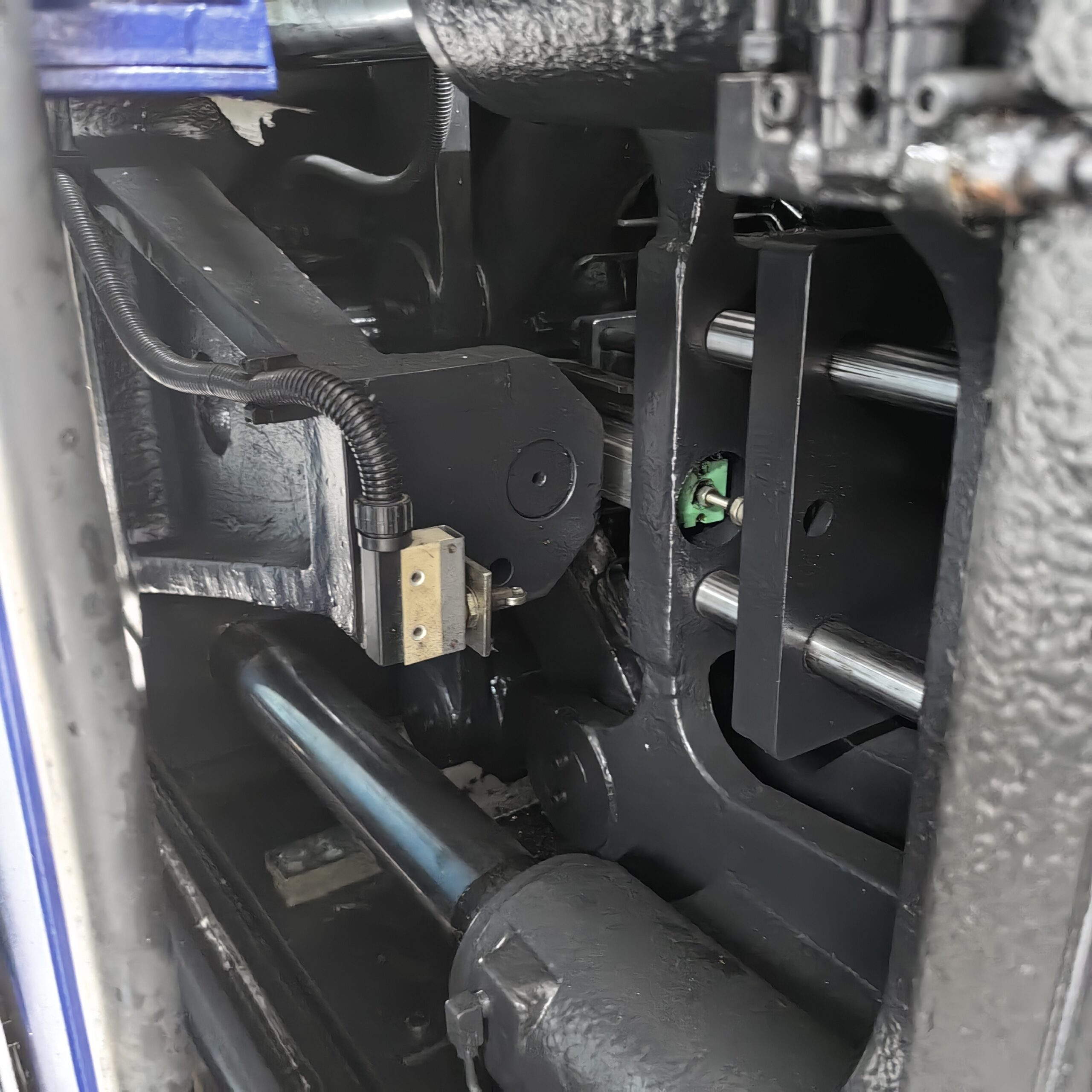
Buying a used injection molding machine requires careful technical evaluation. Many buyers only check if the machine powers on. However, this basic check does not guarantee long-term operational reliability.
The hydraulic framework acts as the true heart of any traditional or hybrid molding press. For this reason, a faulty system leads to expensive downtime and ruined production batches. You must evaluate the internal health of the machine before finalizing your purchase. This expert guide highlights three critical indicators during a hydraulic system inspection to help you buy safely.
1. The Three Vital Hydraulic Health Indicators
To evaluate a used machine properly, you must analyze three specific operational indicators. Use this clear technical matrix during your next inspection:
| Inspection Indicator | Optimal Healthy Status | Warning Sign Status | Extreme Danger Status |
| Hydraulic Oil Color | Light yellow or light red; perfectly transparent fluid. | Deep brown color signals thermal oil aging. | Milky white emulsification; heavy foam present. |
| Pressure Build-Up Speed | Reaches rated pressure in less than 5 seconds. | Takes 5 to 10 seconds to build full pressure. | Takes over 10 seconds or fails completely. |
| Seal Leak Detection | Completely dry joints or a very slight oil film. | Continuous slow weeping or dripping from joints. | Heavy, obvious leaks pooling on the factory floor. |
2. Decoding Fluid Color: Spotting Hydraulic Oil Degradation
Do not ignore the color of the hydraulic fluid during your machine evaluation. Fresh oil features a clear, translucent appearance with a light yellow or light red hue.
 [Healthy Fluid]  ──> Transparent Light Yellow ──> Optimal Viscosity & Protection
 [Degraded Fluid] ──> Opaque Deep Brown        ──> ⚠️ Thermal Aging & High Friction
 [Damaged Fluid]  ──> Milky White/Foamy        ──> ❌ Water Contamination / Cavitation
As a machine operates under high heat, the oil experiences thermal cracking and oxidation. Consequently, the liquid darkens significantly. A deep brown color alerts you to severe hydraulic oil degradation. This aged fluid contains abrasive sludge that scores valve surfaces and damages internal pumps. Furthermore, a milky white appearance indicates water contamination, which destroys lubricating properties and causes internal rust.
3. Testing Pressure Build-Up Speed and System Response
A healthy hydraulic network must respond instantly to control commands. Turn on the machine and initiate a clamping cycle to verify response times.
                    Pressure Build-Up Velocity Guide:
   ┌──────────────────────────────────────────────────────────────────┐
   │ < 5 Seconds: Excellent system response and pump efficiency.       │
   ├──────────────────────────────────────────────────────────────────┤
   │ 5 - 10 Seconds: Internal wear is reducing fluid flow speed.       │
   ├──────────────────────────────────────────────────────────────────┤
   │ > 10 Seconds: Severe pump failure or massive internal bypass.    │
   └──────────────────────────────────────────────────────────────────┘
A reliable system takes less than 5 seconds to reach its full rated working pressure. If the machine requires 5 to 10 seconds, internal components are losing efficiency. This delay slows down your cycle times and reduces your daily production output. If the pressure takes over 10 seconds to stabilize, you are dealing with a failing system. This sluggish performance usually points to a worn hydraulic pump or faulty proportional valves.
4. Seal Leak Detection: Preventing Pressure Loss
Inspect all piston rods, manifold blocks, and pipe connections for signs of fluid escape. A healthy machine features dry joints.
Slow Joint Weeping ──> Blown Cylinder Seals ──> Pressure Drops & High Oil Costs
Although a microscopic oil film is acceptable, continuous dripping indicates failing seals. Damaged seals allow dust and debris to enter the oil circuit, accelerating component wear. Therefore, look closely for active leaks around the main clamping and injection cylinders. Replacing broken seals takes time and increases your initial repair budget.
5. Listening to the Hydraulic Pump: Identifying Internal Wear
You can easily evaluate the condition of a hydraulic pump by listening to its operational sound. Excellent pumps emit a smooth, consistent hum during the injection cycle.
Smooth Hum ──> Healthy Pump | High Whistling/Banging ──> ⚠️ Air Ingress & Cavitation
Be alert if you hear loud, high-pitched whistling or metallic banging noises. An unusual screeching sound indicates air ingress or severe internal piston wear. This cavitation destroys the pump internals quickly. Therefore, a noisy pump serves as a clear warning sign of impending mechanical failure.
Conclusion: Invest Safely in Pre-Owned Machinery
Buying a pre-owned injection molding machine does not have to be a risky gamble for your factory.
Avoid costly production delays by checking the hydraulic system thoroughly before signing any contract. By tracking oil quality, testing response speeds, and listening for pump wear, you protect your business investment. We inspect every machine thoroughly to guarantee total reliability on your shop floor. Contact the Manyi technical team today to browse our certified inventory of used injection molding machines.

Add comment