
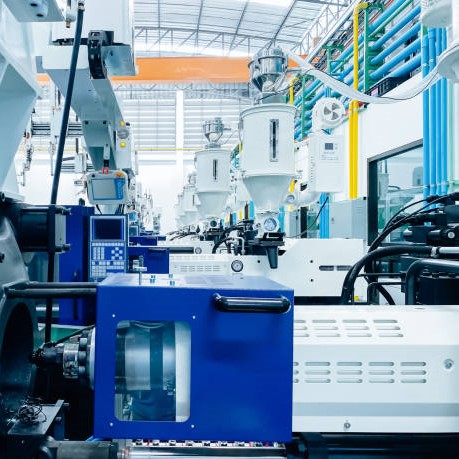
Selecting the right power system is a critical decision for high-volume plastic production. Different drive technologies offer unique advantages for specific manufacturing scales and budgets. Consequently, factory owners must balance initial investment costs against long-term operational efficiency. In the heavy-duty sector, the choice usually falls between servo-hydraulic and all-electric systems. This guide compares these two powerful technologies for a large tonnage injection molding machine. We help you determine which drive system fits your specific industrial requirements.
1. Servo-Hydraulic Systems: Powering Large-Scale Manufacturing
When it comes to heavy-duty injection molding, manufacturers often prioritize strength, stability, and cost efficiency. In this context, servo-hydraulic systems stand out by combining traditional hydraulic power with advanced digital motor control, creating a reliable solution for demanding industrial applications.
Leading Performance in High-Tonnage Production
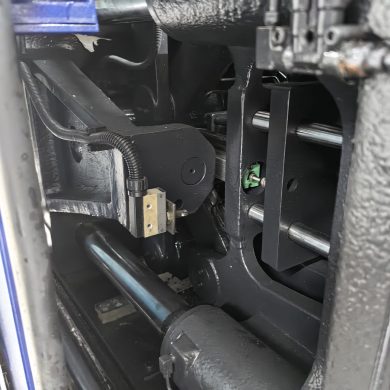
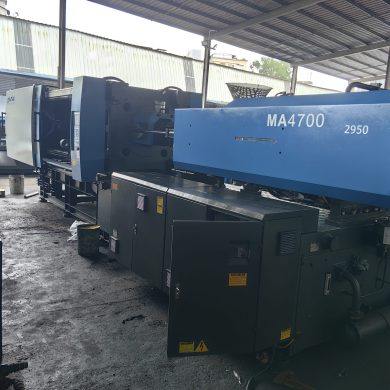
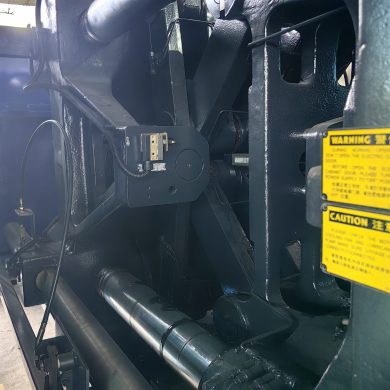
Servo-hydraulic machines generate exceptional torque and clamping force while maintaining a relatively compact structure. As a result, they remain the preferred choice for large-tonnage injection molding machines exceeding 1000 tons. In addition, these systems typically require a lower initial investment compared to fully electric alternatives, making them highly attractive for large-scale production. Moreover, they easily handle extreme pressure requirements, such as those needed for manufacturing automotive bumpers, industrial containers, and heavy-duty components. Therefore, servo-hydraulic technology continues to play a dominant role in the global heavy manufacturing sector.
2. All-Electric Systems: Precision-Driven Performance
In contrast, all-electric injection molding machines focus on accuracy, cleanliness, and energy efficiency. By replacing traditional hydraulic systems with independent servo motors for each movement, they deliver a new level of control and consistency.
The Efficiency and Accuracy Gap
Electric-driven systems offer outstanding precision and repeatability, which makes them ideal for producing high-tolerance components. Consequently, they significantly reduce energy consumption, especially during cooling phases, improving overall efficiency. Furthermore, because they eliminate hydraulic oil, they create a cleaner working environment and remove the risk of leaks or contamination. However, achieving high clamping force with electric motors requires advanced, high-torque components, which greatly increases the overall cost—particularly for large-tonnage machines. Therefore, manufacturers typically reserve all-electric solutions for smaller-scale, high-speed applications such as medical devices and electronic components, where precision outweighs cost considerations.
3. Comparison Matrix for Large Tonnage Systems
| Feature | Servo-Hydraulic System | All-Electric System |
| Clamping Force | Superior (Easily 1000T+) | Limited (Very Expensive at 1000T+) |
| Energy Savings | Good (Up to 70% vs. Fixed) | Excellent (Up to 90%) |
| Initial Cost | Economical | Very High |
| Maintenance | Requires Oil Management | High-Cost Motor Replacements |
Consequently, the hydraulic system offers a faster return on investment for large-scale operations. Furthermore, modern servo-valves have closed the gap in precision significantly. Therefore, a high-quality, large tonnage injection molding machine with a servo-hydraulic drive is the industry standard.
4. Why Servo-Hydraulic Remains the Mainstream Choice
The heavy-duty market demands a balance between raw power and financial sustainability.
-
Durability: Hydraulic cylinders withstand the vibration of heavy molds better over time.
-
Versatility: These machines handle a wider range of engineering resins and thick-walled parts.
-
Repairability: Components are standardized and easy to source in the global secondary market.
Consequently, you achieve reliable production without the massive overhead of a specialized electric fleet. Furthermore, the energy efficiency of servo-hydraulics meets most modern environmental standards. Therefore, most large-scale manufacturers choose this robust technology for their core production lines.
Conclusion: Choosing Power for Your Production Scale
Investing in a large tonnage injection molding machine requires a strategic look at your long-term goals.
Stop overpaying for precision technology that your large-scale parts do not actually require. Instead, embrace the proven strength and affordability of professional servo-hydraulic power systems. Consequently, your factory will maintain high output levels while keeping operational costs under control. Experience the reliability of a heavy-duty machine designed for the toughest industrial tasks. Start your journey toward more profitable large-scale manufacturing today. Your bottom line deserves a power system that delivers both force and value.


Add comment