
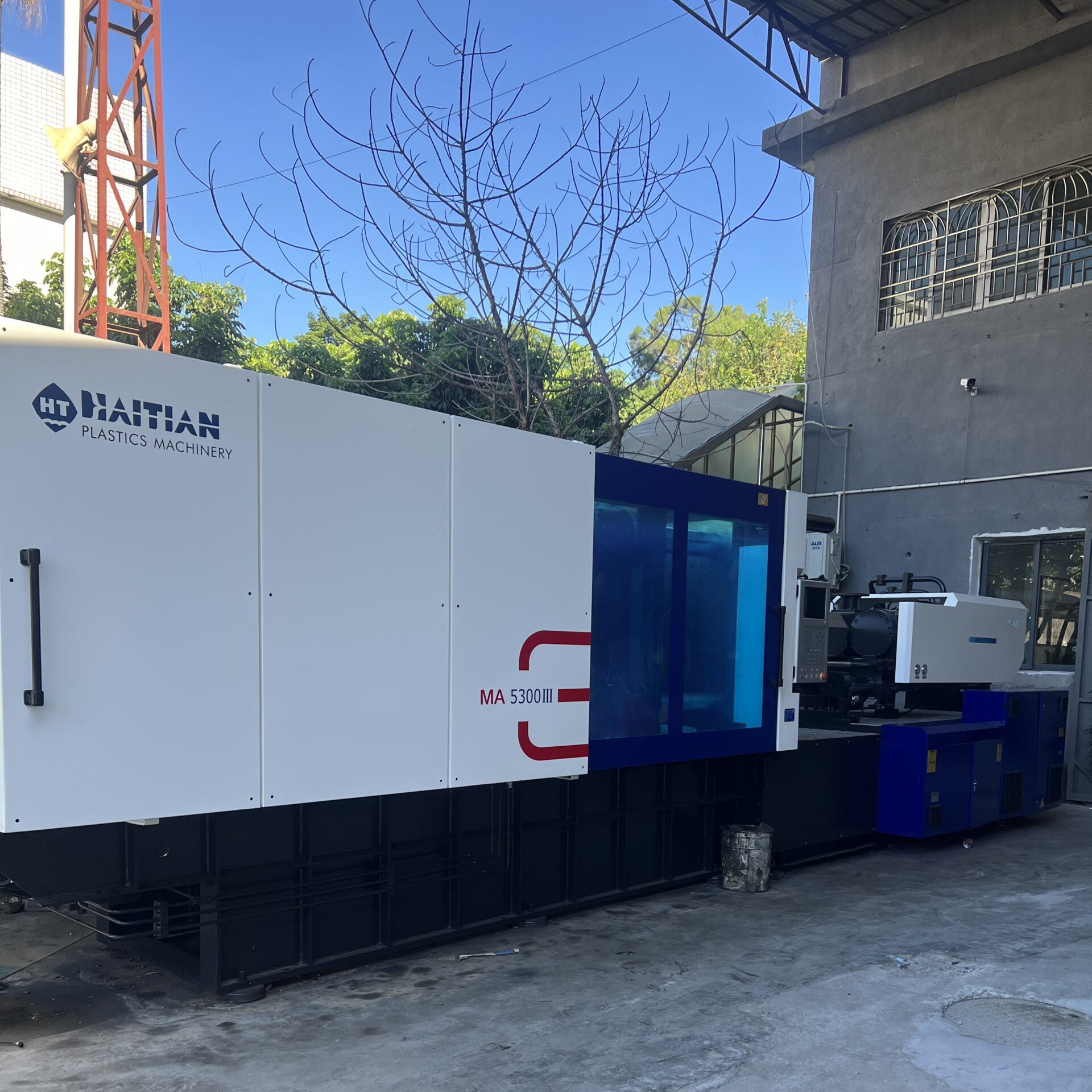
Procurement managers and plastics manufacturing directors must analyze mechanical mileage carefully before buying used industrial hardware. Selecting a machinery unit based entirely on unverified dashboard telemetry can jeopardize your factory uptime and inflate your maintenance budgets. Therefore, industrial procurement teams must understand how reported operational hours translate into actual mechanical wear and residual machine lifespan.
Evaluating a listed used injection molding machine run hours matrix requires a deep understanding of heavy machinery depreciation. The relationship between operational hours and chronological age indicates how hard a machine worked during its previous factory deployment. This technical guide breaks down hour brackets, uncovers odometer risks, and delivers professional sourcing strategies to safeguard your capital investment.
1. Decoding the Operational Hour Brackets: Wear vs. Lifespan Expectations
Industrial machinery odometers categorize used equipment into clear operational wear tiers. Buyers can use these standard operating brackets to judge the mechanical integrity of a prospective hydraulic or electric injection molder:
| Reported Run Hour Spectrum | Mechanical Depreciation Tier | Expected Physical Component Status | Recommended Sourcing Application |
| 0–2,000 Hours | Low Mileage (Near-New) | Excellent; minimal barrel wear, pristine seals | High-precision medical or electronics lines |
| 2,001–6,000 Hours | Light Operational Wear | Good; requires standard preventative checkups | General consumer goods, custom packaging |
| 6,001–8,000 Hours | Moderate Operational Wear | Fair; common bracket for mid-life workhorses | High-volume industrial parts, auto trim |
| 8,001–10,000+ Hours | High Mileage (Aged Units) | Worn; needs comprehensive screw inspections | Heavy industrial components, low-margin lines |
For instance, premium low-mileage models under 2,000 hours usually command higher market prices because they retain nearly all of their original factory service life. Conversely, older high-tonnage workhorses commonly log over 8,000 operational hours, meaning they require a much closer look at their hydraulic pumps and clamping toggles.
2. The Hidden Traps of Relying Solely on Digital Machine Odometers
Smart machinery buyers must realize that digital dashboard timers do not always tell the full story about actual equipment wear.
 Dashboard Telemetry Only: [Reads Low Hours]  ──> Ignores Dry-Rotting Components ──> ❌ Sudden Field Failures
 Comprehensive Inspection:  [Verifies Logs]      ──> Evaluates Physical Hardware    ──> ♻️ Secure Machine Sourcing
If an injection molder displays only 2,000 run hours but its manufacturing tag lists an old production date, you must proceed with caution. This low metric could mean a clean machine that sat idle due to sudden factory contract adjustments. However, it can also indicate that a previous mechanic replaced the primary electronic control board, resetting the digital hour clock back to zero.
Furthermore, a machine that sits idle in a damp warehouse for years faces hidden structural risks. Hydraulic seals can dry out, rubber hoses crack, and control boards collect moisture even when the screw is not turning. Therefore, you must always adjust your purchase offers based on the average yearly usage patterns of the unit rather than trusting a single dashboard number.
3. Operational Environment vs. Total Running Hours
The harshness of the previous manufacturing environment impacts machine wear far more than the total count of operational hours.
                  Two Different Production Environment Scenarios:
   ┌──────────────────────────────────────────────────────────────────┐
   │ Scenario A: 8,000 hours processing clean, soft medical polymers.  │
   ├──────────────────────────────────────────────────────────────────┤
   │ Scenario B: 2,000 hours processing gritty glass-filled nylon.    │
   └──────────────────────────────────────────────────────────────────┘
Consider two different manufacturing setups. A machine running for 8,000 hours on clean polyolefins inside a climate-controlled medical facility will suffer very little physical damage. The tie bars remain perfectly aligned, and the screw maintains its tight design tolerances.
Conversely, a machine running for just 2,000 hours processing highly abrasive glass-reinforced resins can suffer massive wear. The gritty glass fibers scrape the nitrided inner barrel wall, widening the internal gap and reducing plasticizing efficiency. Thus, understanding what the machine molded is just as important as knowing how long it ran.
4. Strategic Sourcing Framework: Professional Verification Steps
Industrial procurement managers should treat listed runtime numbers as a helpful starting reference rather than the absolute truth.
Check Digital Hours ──> Review Preventive Maintenance Logs ──> Conduct Physical Inspections ──> Secure High ROI
To protect your capital investment, you must ask the seller for comprehensive preventative maintenance logs and complete repair histories. A machine with 7,500 hours backed by meticulous factory maintenance records is often a safer buy than an unmonitored 2,000-hour mystery unit.
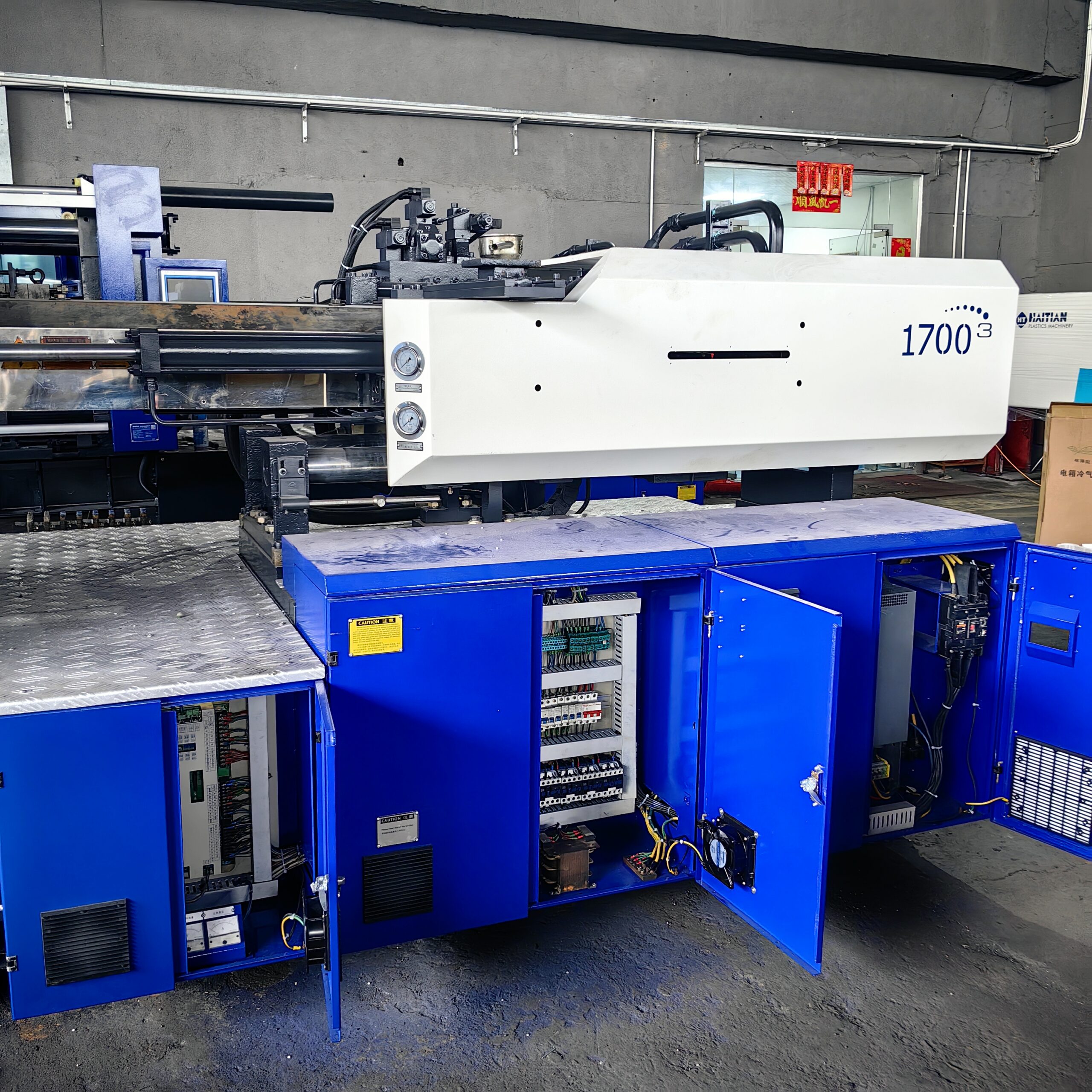
Next, deploy an experienced mechanical engineer to measure the physical tolerances of the screw, barrel, and platen. Check for pump cavitation sounds, inspect the oil clarity, and analyze the toggle bushings for loose play. This physical verification ensures you get a dependable asset that will deliver years of steady, high-margin production.
Conclusion: Maximize Your Factory Output with Vetted Hardware
Long-term success in plastics manufacturing depends on reliable equipment that delivers consistent performance, minimizes downtime, and supports sustainable production growth.
Rather than taking risks on unverified low-cost machinery, choose equipment that has been thoroughly inspected and tested before it reaches your factory. At Manyi, every certified used injection molding machine undergoes comprehensive inspections, including the hydraulic system, clamping mechanism, injection unit, and key operational components. This rigorous verification process helps ensure dependable performance from the first production cycle.
Whether you are expanding your production capacity or replacing aging equipment, Manyi provides trusted machinery backed by detailed inspection reports and professional technical support. Contact our team today to request certified inspection documentation and find a reliable injection molding machine that meets your production requirements with confidence.

Add comment