
Manufacturing facility operators, packaging plant buyers, and plastics procurement managers constantly evaluate machine capabilities when upgrading their production floors. Because purchasing heavy manufacturing equipment requires substantial capital, choosing the right machinery configuration dictates your long-term operational costs and part quality. Consequently, enterprise buyers frequently encounter complex performance specifications when browsing machinery options, raising a critical question: “When comparing a hydraulic vs electric injection molding machine alongside hybrid alternatives, how do we make the right choice? Furthermore, which machinery type perfectly matches our specific plastic part dimensions, wall thicknesses, and cleanroom requirements?”
Selecting an incorrect machinery platform can severely restrict your manufacturing throughput, spike your monthly electrical utility bills, or limit your ability to hold tight part tolerances. Conversely, overspending on highly advanced cleanroom machinery for basic, heavy-walled consumer goods wastes vital capital and slows down your initial return on investment. This comprehensive B2B sourcing guide breaks down the engineering trade-offs, quantifies servo-driven energy savings, and helps you select the ideal machinery configuration for your business.
1. The Hydraulic Powerhouse: The Ideal Choice for Large, High-Load Components
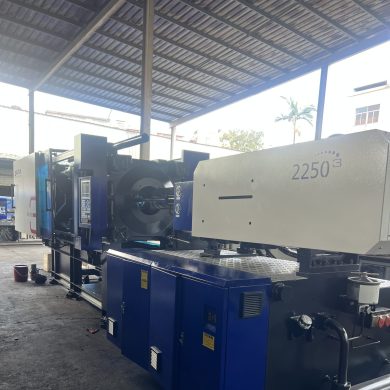
Industrial operators frequently specify heavy-duty hydraulic machinery when molding large-scale, thick-walled parts that require immense clamping force and extended holding times. These robust systems utilize a powerful hydraulic pump to drive the clamping toggle, material injection ram, and core-pulling cylinders, delivering exceptional raw power and deep cost-effectiveness. Consequently, hydraulic setups remain the classic option for manufacturing bulk automotive bumpers, heavy shipping pallets, agricultural crates, and large domestic appliance housings where extreme micron-level precision is not a critical requirement.
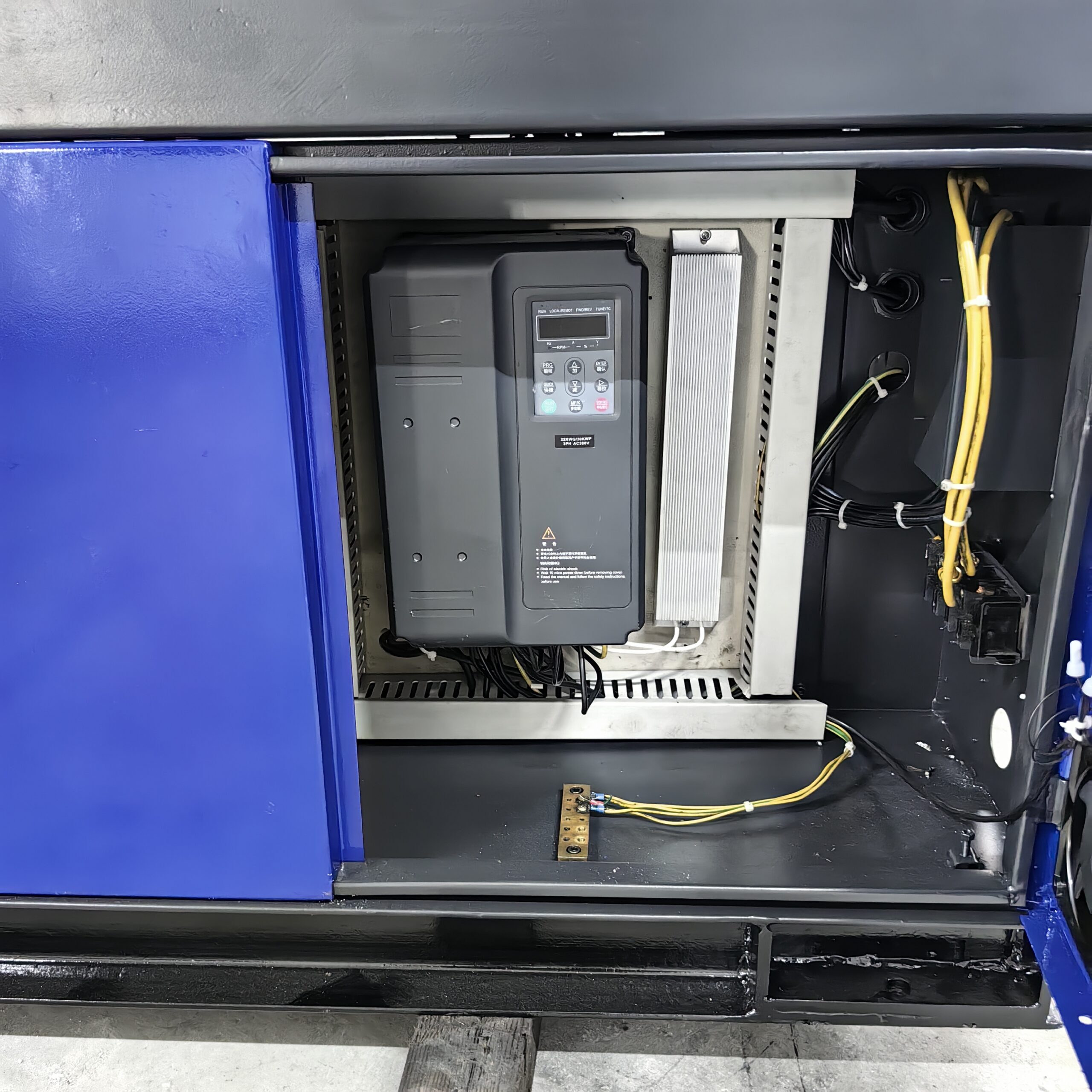
Furthermore, modern developments have improved the energy profile of these traditional systems significantly. While older fixed-pump models wasted massive amounts of electricity by running at full speed during cooling cycles, modern machinery integrates intelligent servo-driven hydraulic pumps. This crucial technology upgrade provides an impressive servo energy saving comparison profile, reducing electricity consumption by 30% to 80% compared to legacy setups. This massive drop in utility costs allows you to maintain the high injection pressures and affordable upfront pricing of a hydraulic platform while protecting your monthly operating margins.
2. The All-Electric Precision Setup: High Accuracy and Cleanroom Compliance
When a project demands absolute dimensional repeatability, microscopic tolerances, and total freedom from oil contaminants, switching to an all-electric machinery platform becomes essential. All-electric molding machinery replaces traditional hydraulic circuits entirely with independent, high-speed digital servomotors governing every mechanical movement. This direct-drive configuration ensures that the screw rotation, injection velocity, and clamping positions stay perfectly consistent across millions of cycles, virtually eliminating part weight variations.
Because these units generate zero oil mist or hydraulic fluid leaks, they run with minimal noise and satisfy strict international cleanroom standards effortlessly. This clean operating profile makes all-electric equipment the absolute industry standard for high-value optical lenses, delicate medical syringes, and complex 3C electronics housings. Additionally, when technicians assemble ultra-small, high-precision electronic connectors, they almost always rely on compact all-electric units to ensure total stability and eliminate scrap material.
3. The Hybrid Compromise: Balancing Deep Injection Force with Precision Control
For manufacturing applications that fall directly between heavy bulk molding and delicate cleanroom electronics, investing in a hybrid machinery layout offers an exceptional middle-ground solution. Hybrid injection machinery combines the best attributes of both worlds, utilizing an energy-efficient electric motor to drive the high-speed screw clamping and plasticizing steps, while relying on a compact, localized hydraulic circuit to execute the high-pressure material injection phase.
This strategic engineering layout allows you to maintain the extreme clamping precision, quiet operation, and fast cycles of an electric platform while utilizing the immense, steady pushing power of a hydraulic cylinder. Hybrid machines excel at producing thin-walled food packaging containers, deep medical trays, and complex automotive structural components that require rapid mold filling paired with highly consistent dimensions.
Machinery Performance Evaluation Profile
To streamline your machine selection process, your procurement team should evaluate three primary machinery profiles based on cost, precision, and application:
-
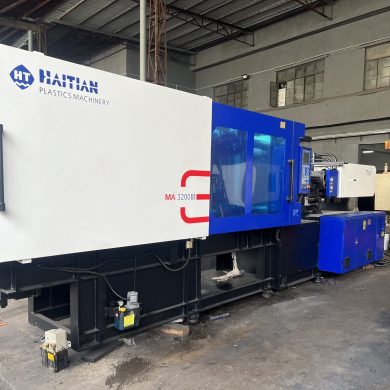
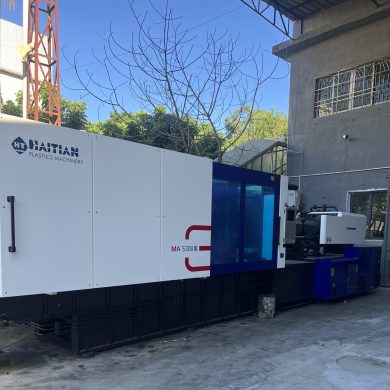
The Hydraulic System Profile: Offers a lower upfront equipment cost paired with robust, long-term durability. It delivers high injection force and excellent holding pressure, making it ideal for massive industrial parts, heavy structural components, and general consumer goods where a servo-driven pump can cut energy use by up to 80%.
-
The All-Electric System Profile: Demands a higher upfront capital investment but rewards your facility with an ultra-low energy footprint and unmatched 100% digital repeatability. It provides an oil-free, silent working environment that is perfect for medical components, optical lenses, and high-density 3C electronics.
-
The Hybrid System Profile: Sits comfortably at a medium price point, delivering an optimized balance of energy efficiency and operational power. It combines smooth electrical clamping with rugged hydraulic injection forces, making it the perfect match for thin-walled packaging, deep-drawn enclosures, and mid-sized automotive components.
Conclusion: Maximize Your Manufacturing Efficiency
In conclusion, scaling a highly profitable plastics operation or custom molding plant requires matching your primary product specifications with the right machinery driving system.
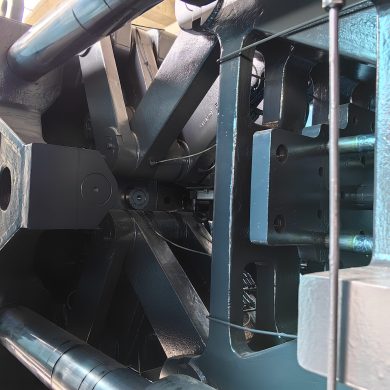
Stop risking your production throughput, part rejection rates, and monthly utility budgets on mismatched machinery configurations that struggle to hold tolerances or consume excessive electricity under load. Upgrading your shop floor to a fully verified, high-performance injection molding platform guarantees absolute cycle stability, predictable part dimensions, and optimized energy footprints across every shift. We test every single mechanical toggle and calibrate every electronic servo drive to ensure your machinery assets deliver reliable service over thousands of manufacturing runs. Contact our machinery sourcing division today to submit your part blueprints, mold weights, and shot-capacity requirements, and receive a detailed equipment configuration quote.

Add comment