
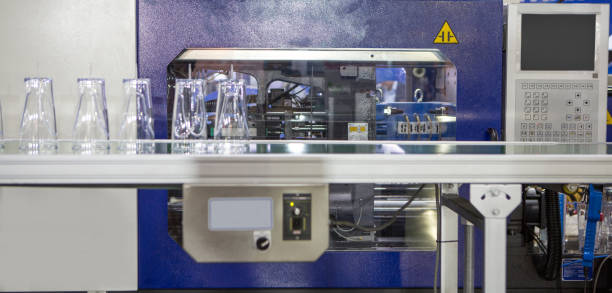
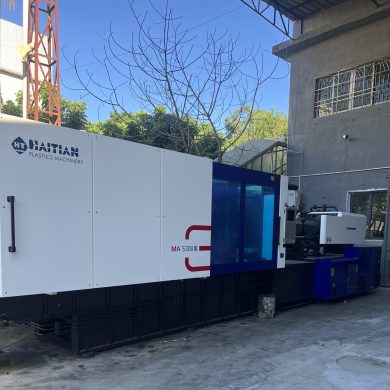
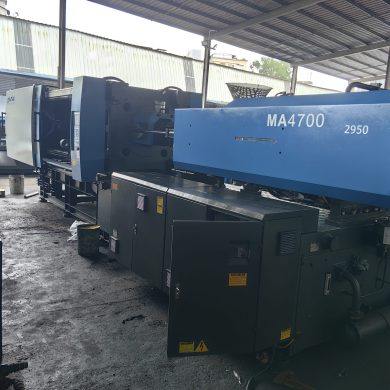
Sustainability is transforming modern manufacturing. In plastic production, every gram of material counts toward your profit. Many factories struggle with piles of leftover scraps. However, these “waste” pieces are actually valuable raw materials. A high-efficiency pet preform molding machine can turn these scraps back into gold. This guide explores how to build a perfect closed-loop recycling system. We help you reduce costs and protect the environment simultaneously.
1. Identifying the Sources of Preform Waste
Even the best production lines generate some degree of waste. You must identify these sources to manage them properly.
Startup and Debugging Rejects
Every new run requires a machine warmup period. During this phase, the pet preform molding machine produces initial test samples. These parts often fail quality checks for weight or clarity. Consequently, they become the first source of factory scrap.
Runner Material
Standard cold runner molds produce solid plastic “trees” with every cycle. While hot runner systems eliminate this waste, many factories still use older technology. Therefore, these runners accumulate quickly in the collection bins.
Non-Conforming Products
Minor defects like bubbles or scratches can happen during high-speed runs. Quality control teams must reject these imperfect units immediately. As a result, these “failures” represent a significant loss of expensive resin.
2. Effective Recovery Solutions: Closing the Loop
Transforming scrap into usable resin requires a systematic, automated approach.
Online Crushing: Instant Recovery
Do not let your scraps sit on the floor and collect dust. Instead, install an online granulator next to your pet preform molding machine. This device grinds rejects into uniform flakes instantly. Consequently, the material remains clean and ready for immediate reuse.
Automated Proportional Mixing
Consistency is the key to maintaining performance strength. Use a gravimetric blender to mix regrind with virgin resin. Most experts recommend a regrind ratio of 10% to 30%. This ensures the final product stays clear and durable. Therefore, you maintain high quality while significantly lowering your material spend.
Essential Dehumidification and Drying
Recycled flakes often absorb moisture much faster than virgin pellets. You must use a professional dryer to remove every drop of water. Damp regrind will cause silver streaks and brittle spots in the next batch. Consequently, proper drying is the most important step in the recycling chain.
3. Advice for Factory Owners: Resource Management
For a successful factory owner, “waste” is just a resource in the wrong place.
First, track your total scrap percentage every week. Then, invest in high-quality auxiliary equipment to automate your recycling. This reduces the need for manual labor and prevents contamination. Furthermore, a clean recycling loop improves your overall brand reputation. Therefore, you attract eco-conscious clients who value sustainable manufacturing.
Conclusion: Profitability Through Sustainability
A closed-loop system is the future of the plastic industry. It turns your biggest headache into a competitive advantage.
Optimize your pet preform molding machine with the right recycling tools today. You will see a fast return on investment through lower material costs. Stop throwing away your profits with the daily trash. Embrace the circular economy and build a more efficient factory. True success means making every single pellet count toward your goal.

Add comment