
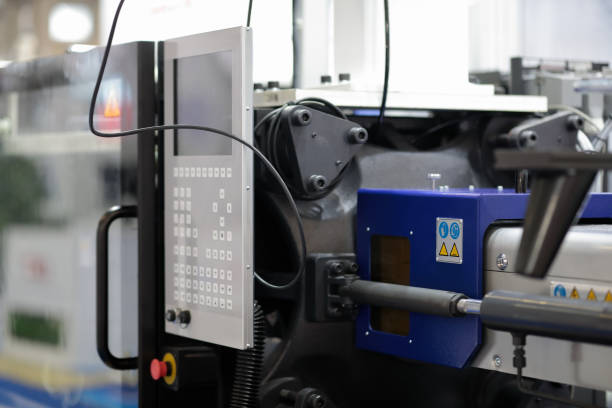
In modern manufacturing, combining different materials is a true “fusion art.” Designers often need the strength of hard plastic and the comfort of soft rubber. However, making these two materials stay together forever is a technical challenge. A high-performance rubber injection molding machine provides the precision needed for this bond. This guide explores the secrets of dual-material injection and permanent adhesion. We help you master the complex world of multi-component molding.
1. Application Scenarios: Where Hard Meets Soft
Dual-material injection is essential for products that require both structure and flexibility.
-
Seals and Frameworks: Hard plastic provides the shape while rubber creates a leak-proof seal.
-
Soft-Touch Grips: Power tools and toothbrushes use soft overmolding for better user comfort.
-
Multi-Color Rubber Goods: Automotive interiors often feature vibrant, dual-tone rubber components.
Consequently, these products offer superior functionality and a premium feel. Therefore, manufacturers rely on a rubber injection molding machine to handle these diverse tasks.
2. Technical Solutions: Three Paths to Success
Different production volumes and part designs require specific machine configurations.
Rotary Table System
This setup uses two different molds on a rotating base. The machine injects the first material into one cavity. Then, the table rotates 180 degrees for the second injection. Consequently, the two materials fuse under high heat and pressure. It is the best choice for high-volume, automated production lines.
Shuttle Type System
In a shuttle system, the mold moves horizontally between two injection stations. The first station creates the “skeleton” or hard part. Afterward, the mold moves to the next station for the rubber overmolding. Therefore, you can complete complex parts within a single machine footprint.
Dual-Injection Unit (Single Mold)
This advanced rubber injection molding machine uses two injection units on one mold. It injects both materials simultaneously or in quick succession. As a result, it significantly reduces cycle times for small, intricate parts. You achieve a perfect bond without moving the part between stations.
3. Guaranteeing the Bond: Why They Never Separate
A “physical” touch is not enough for a permanent bond. You must ensure a “chemical” fusion between the two materials.
-
Framework Preheating: We heat the hard plastic “skeleton” before the rubber injection. This keeps the surface active for better molecular bonding.
-
Primer Treatment: In some cases, we apply a special chemical primer to the base. This acts as a bridge between the hard and soft materials.
-
Precise Time Control: We control the injection timing to within milliseconds. Consequently, the rubber reaches the surface while the plastic is still thermally active.
Therefore, the two materials melt together at the interface. This creates a bond that is stronger than the materials themselves. As a result, your products can survive years of heavy use without peeling.
Conclusion: Mastering the Multi-Material Future
The demand for complex, multi-functional products continues to grow rapidly. A specialized rubber injection molding machine is your key to this market.
Focus on the right machine structure and precise process control. You will create parts that are both beautiful and incredibly durable. Do not settle for weak adhesives or manual assembly. Instead, embrace the “fusion art” of modern injection technology. Let professional engineering ensure your materials stay together forever.



Add comment