
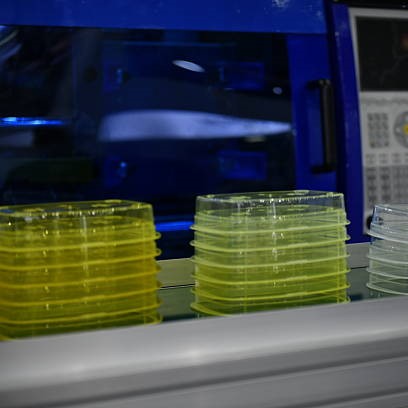
Selecting the right drive system defines your factory’s efficiency and product quality. Modern manufacturing demands a balance between raw power and high-speed accuracy. Consequently, factory owners must choose between three distinct mechanical architectures. Each system offers unique advantages for a fully automatic injection molding machine. This guide explores the trade-offs between energy consumption and precision. We help you identify the best technology for your specific production needs.
1. Hydraulic Systems: Proven Strength for Heavy-Duty Applications
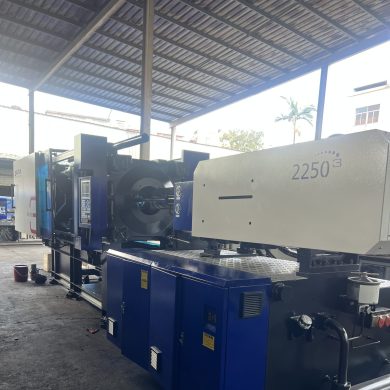
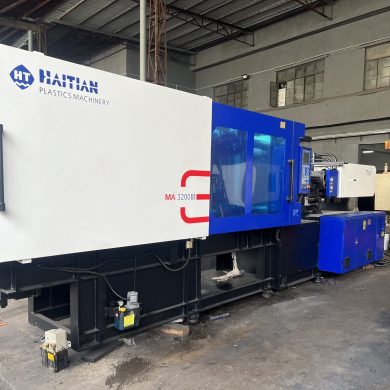
Hydraulic injection molding machines rely on fluid pressure to generate powerful clamping forces. As a result, they consistently perform well in applications that demand high tonnage and robust output.
Reliable Power at a Lower Cost
These systems remain a cost-effective solution, especially for producing large components such as automotive parts or furniture structures. In addition, their durable construction and relatively simple maintenance make them a long-term, dependable choice. However, because the motor runs continuously, even during idle periods, energy consumption tends to be higher. Therefore, hydraulic machines are best suited for heavy-duty operations where power takes priority over energy savings.
2. All-Electric Systems: Precision and Energy Efficiency Redefined
All-electric injection molding machines replace traditional hydraulic systems with advanced servo motor technology. This shift significantly enhances both accuracy and operational efficiency.
High Precision with Reduced Energy Consumption
By utilizing servo-driven mechanisms, these machines achieve exceptional precision levels of up to ±0.01 mm. Consequently, they are ideal for industries that demand extreme accuracy, such as medical device manufacturing and microelectronics. Furthermore, they consume up to 50% less energy compared to hydraulic systems, while operating quietly and without oil emissions. As a result, they are perfectly suited for cleanroom environments and high-end production standards.
3. Hybrid Systems: A Balanced Approach to Performance and Efficiency
Hybrid injection molding machines integrate the strength of hydraulic systems with the efficiency of electric technology, creating a versatile and optimized solution.
The Best of Both Worlds
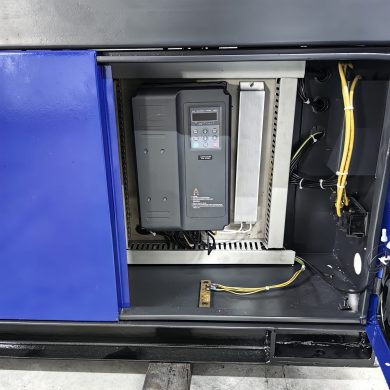
In these systems, a servo motor directly drives the hydraulic pump, allowing the machine to operate only when pressure or movement is required. Consequently, energy consumption decreases while operational noise is significantly reduced. Moreover, hybrid systems offer precise speed and pressure control, making them highly effective for complex, multi-stage injection processes. Therefore, they serve as an excellent choice for manufacturers producing medium-to-large components that require both power and precision.
4. Drive System Comparison Matrix
| Feature | Hydraulic Drive | All-Electric Drive | Hybrid (Electric-Hydraulic) |
| Precision | Standard | Highest ($\pm0.01mm$) | High |
| Energy Saving | Low | Very High (50%+) | Moderate to High |
| Initial Cost | Lowest | Highest | Moderate |
| Ideal Environment | General Industrial | Cleanrooms / Medical | Automotive / Tech |
Consequently, your choice depends on your specific product tolerances and budget. Furthermore, moving toward electric or hybrid systems reduces your long-term operational overhead. A high-quality, fully automatic injection molding machine must match your factory’s power capacity. Therefore, evaluating the total cost of ownership is essential before purchasing.
Conclusion: Optimizing Your Production Floor
Every high-performing molding operation relies on one critical factor: the right drive technology. It powers your machines, stabilizes your processes, and ultimately determines your profitability. Instead of absorbing losses from excessive energy consumption and high defect rates, you can take control with a smarter, more advanced solution.
By integrating a fully automatic injection molding machine, you actively improve precision, reduce waste, and optimize energy efficiency. As a result, your production line operates with greater consistency and significantly lower operating costs. Moreover, a well-matched drive system ensures smoother cycles, tighter control, and reliable output across every batch.
Now is the time to strengthen your competitive edge. With advanced engineering at the core of your operations, your factory becomes more agile, efficient, and ready for global market demands. After all, your production line deserves technology that delivers both performance and long-term value.

Add comment